Buying · The Cotswolds
Buying a house in the Cotswolds: what to watch for
A practical guide to buying in the Cotswolds: listed buildings, AONB, thatch, oil, septic tanks, flood, cement on limestone, and why a Level 3 survey is not optional.
Janette Purkiss · 9 January 2026
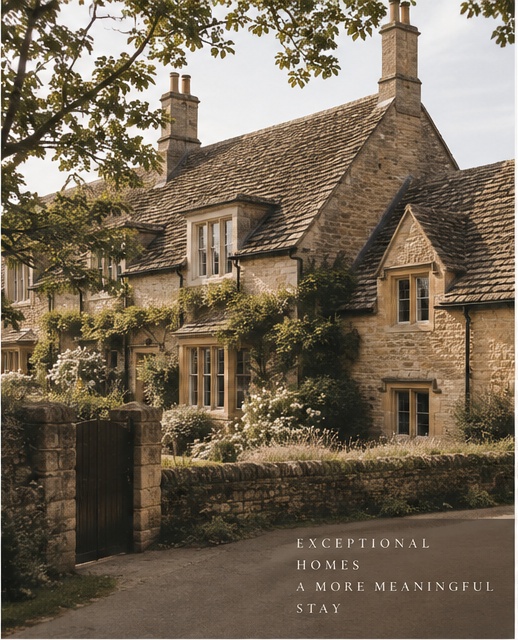
The romance is the point, until it is not. Honey stone, a porch, a wood burner, a garden that looks like a film. Then the surveyor mentions cement pointing, the solicitor mentions a missing listed-building consent from 2009, and the oil tank is dying behind the shed. None of this means do not buy. It means buy with your eyes open, which is the whole of a serious acquisition in this landscape.
Listing, conservation areas, and the National Landscape
Much of the Cotswolds is a National Landscape (the former AONB). Many villages are conservation areas. A significant share of the pretty houses are listed, usually Grade II. Listed building consent can touch windows, roofs, internal walls, paint, and the impulse to add a glass box. Conservation area rules can touch trees, chimneys, boundaries. The National Landscape makes new bulk in the wrong place difficult, which is also why the view you are buying is still there. Read the local authority maps before you fall in love with a kitchen extension on Pinterest.
Ask, in writing, for every consent the seller claims. Unauthorised works on a listed cottage are not a charm. They are a ransom at sale, at remortgage, and with the conservation officer. Janette came to this work after decades in property, including planning committee years. She reads a file the way a film director does not.
Stone, cement, damp, and the breath of a wall
Cotswold limestone wants lime mortar and the ability to dry. Cement pointing, impermeable plasters, and modern tanking are how pretty cottages get sick. Damp in an old house is often a management issue, not a death sentence, but it wants a surveyor who has seen this stone before. A London generalist will either panic or miss it. Budget for breathable repairs. They cost more than a tub of cement and last like the village.
Thatch, stone slate, and the roof that is the house
Thatch is a specialist crop: lifespan depends on material (water reed, combed wheat, long straw), and a full re-thatch is a five-figure, sometimes high five-figure, event. Insurance is specialist. Mortgages can be fussier. Stone slate and imitation stone slate have their own weeps. Never take a roof from the particulars. Get up there, or send someone who will.
Oil, LPG, septic, private water, shared drives
Mains gas is a treat, not a given. Oil tanks have a life, a bund, and a delivery lorry that must actually reach them. LPG is often dearer. Septic tanks and treatment plants want emptying, paperwork, and a drainage field that has not been driven over. Private water wants testing. Shared drives and ancient lights want a solicitor who does not skip the rural paragraph. Flood: most of the wold is high and dry; mill houses and valley bottoms (Coln, Windrush, Evenlode) are not. Check Environment Agency maps for the address, not the village name.
The survey, the chain, and the quiet offer
Commission a RICS Level 3 building survey, plus specialists as the main report dictates: drains, thatch, bats, structure. View in the rain if you can. Walk from the house to the pub in the dark. Test the mobile signal in the kitchen. Ask about broadband as a measured fact. Offers in this market are often better quiet than theatrical. A completion timetable a country vendor can trust still beats a headline number that will wobble after survey.
If this sounds like a lot, it is the job. Romance first, then the file. That is how you keep the film and the roof. Read the fixer-upper piece if the house is a project, and write when you want the search run as a private brief rather than a weekend of open houses.
- Do I need a Level 3 survey on a Cotswold cottage?
- Almost always. Period stone, possible listing, thatch or stone slate, private drainage: a Homebuyer report is often too thin. Use a RICS surveyor who already works in this landscape.
- What does listed building status mean when buying?
- Most Cotswold listings are Grade II. Alterations inside and out can need listed building consent: windows, paint, partitions, even services. Unconsented work is a price and a planning problem.