Village life · Stow-on-the-Wold
Life in Stow-on-the-Wold: the square, the market, and the high wold
A practical guide to living in Stow-on-the-Wold: the market square, Thursday farmers' market, antiques, St Edward's, walks to Lower Swell, and what tourist traffic actually means for a buyer.
Janette Purkiss · 10 July 2026
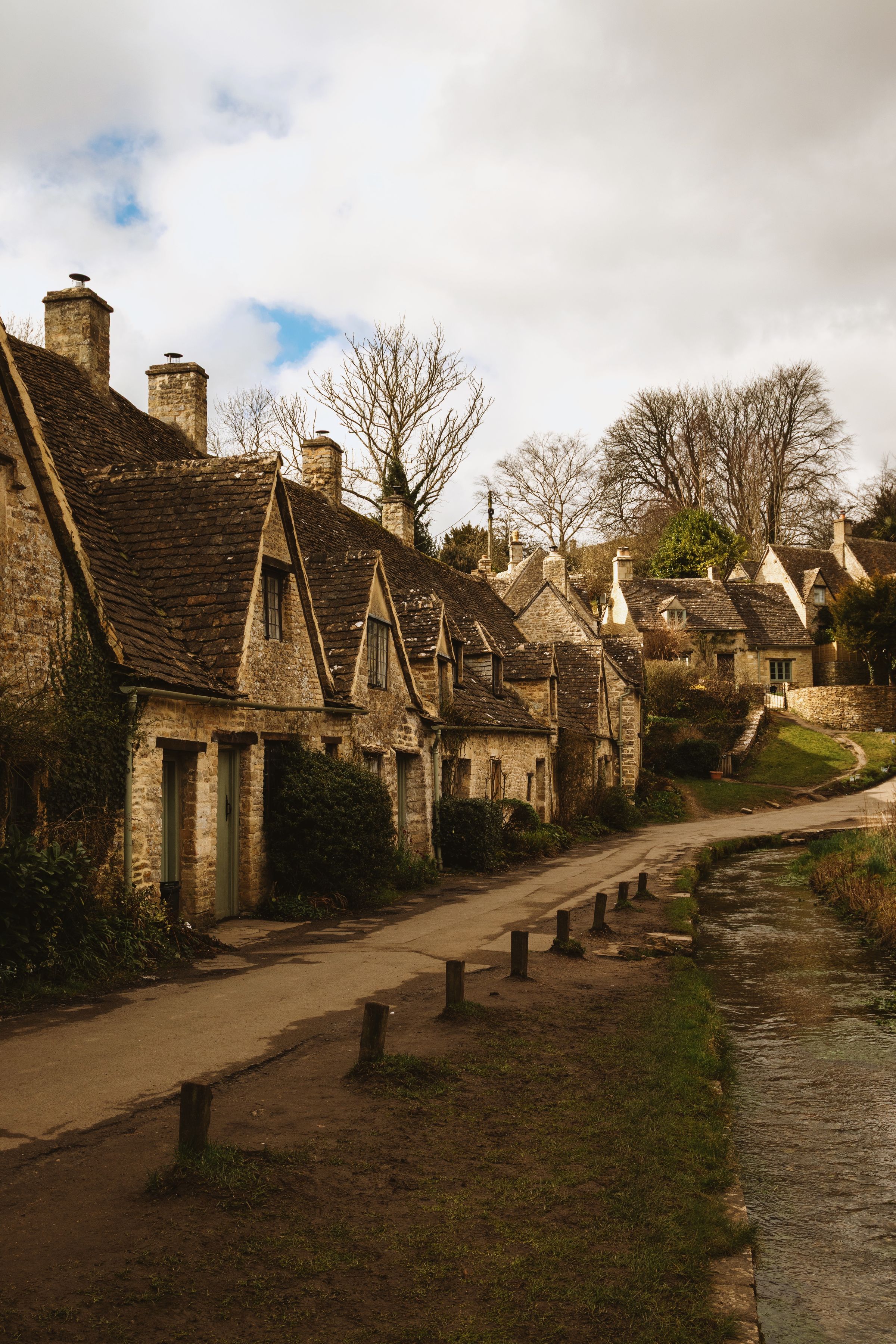
Stow-on-the-Wold sits at about eight hundred feet, at the junction of the Fosse Way and the rest of the North Cotswolds, and it behaves like a town. The square is the reason: market cross, stocks, inns, antique shops, and on Thursdays a farmers' market that still means something. Coaches know the square. That is not a reason not to live here. It is a reason to buy off it.
People confuse visiting Stow with living in it. The first is ice cream and a yew doorway at St Edward's. The second is a house on Sheep Street or the Well Lane side, a walk down to Lower Swell, and the fact that you can buy a joint, a picture frame, and a decent bottle without leaving the parish. What follows is the second.
The square, and the streets that are not the square
The market square is a composition: honey stone, wide enough for a medieval sheep fair, still wide enough for a Thursday stall. The Porch House claims to be among the oldest inns in England. Whether or not you grant the claim, it is a serious old building on a serious old plot. Antiques are not a hobby here; they are a trade that has outlasted several fashions in the rest of the high street.
St Edward's Church is the other landmark. The north door, set between yews, is photographed constantly. Inside, the church is a parish church, not a film set. If you live here you will use it for carols and a funeral and otherwise walk past it on the way to the butcher.
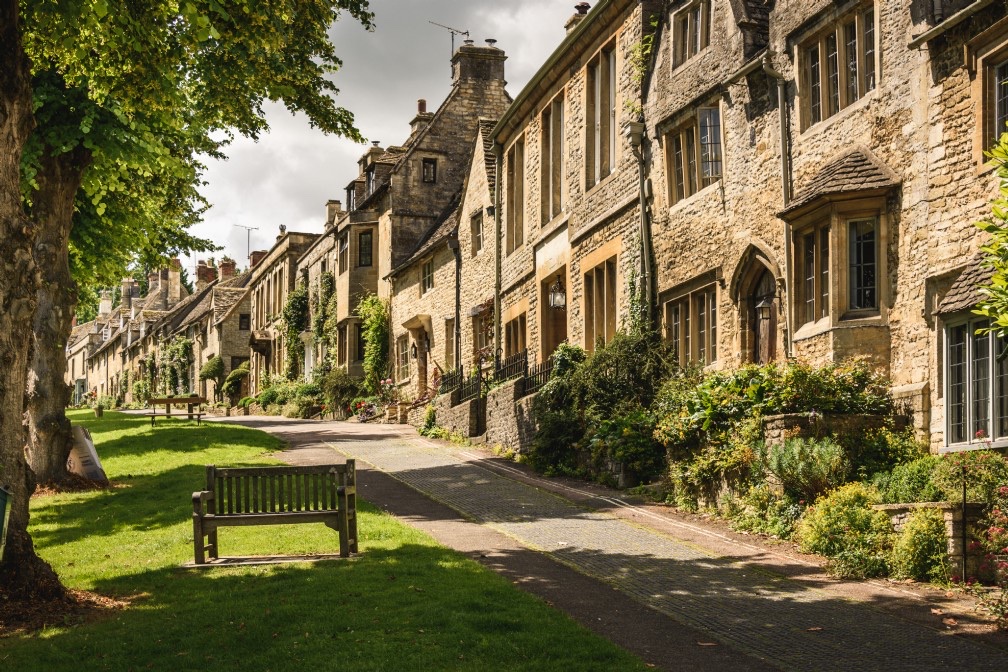
The streets that hold a life are a minute off the square: quieter stone, gardens, the drop in the land towards the Swells. Houses on the approaches can be the better buy than anything with a coach-window view. In August the square is a stage. In January it is a market town again, windy, handsome, and yours.
Market day, and the rest of the week
Stow's farmers' market is typically Thursday in the square. Moreton-in-Marsh, a short drive, is Tuesday, and many households treat it as immovable. Chipping Norton is Wednesday. You do not live in Stow for a supermarket. You live here because the square still does what market towns did, and because the Fosse Way will take you to Cirencester or to Moreton when you need a larger shop.
Eating: inns on the square, better rooms a lane away, and the usual Cotswold warning that Saturday night in summer wants a reservation. Kingham's two tables are fifteen minutes. Daylesford is not much more. Stow itself is stronger on antiques and coffee than on a single destination kitchen, which is fine if you wanted a town rather than a restaurant with cottages attached.
Schools, trains, roads
Stow-on-the-Wold Primary sits in the town. Secondary is typically The Cotswold School in Bourton-on-the-Water, a well-regarded comprehensive, or independent options in Cheltenham and Oxford. Kingham Primary is a drive, not a catchment default. Confirm current admissions; they change.
There is no station in Stow. Kingham and Moreton-in-Marsh are both on the Oxford–Worcester line, both a short car ride. The A429 (Fosse Way) is the spine. In summer, tourist traffic through the square is real. If your week includes a 5pm return from Oxford, time it once before you fall for a frontage on the square.
Walks
The classic is down to Lower Swell: stone walls, a drop, a pub if you have timed it. Upper Swell is the quieter sibling. The wold is high and open; winds have opinions. Broadway Tower is the longer Saturday. You are not short of field paths. You are short of flat ones.
Buying in Stow
Do not buy the postcard of the square unless you like people taking photographs of your door. Buy the street behind, the house with a garden that does not face a coach bay, the listed cottage whose pointing has been done in lime. Watch for the same Cotswold fabric as everywhere: listing, cement, oil, drainage, unconsented rear extensions. A town house here can be as complicated as a village one, with more neighbours.
Price follows the square's fame and then falls off it. That fall is often where the life is. We search Stow as part of the North Cotswold brief, not as a souvenir. If you want silence, look at Churchill. If you want the green and the train, look at Kingham. If you want a town that still has a square, Stow is the honest answer.
Who Stow is for
People who like a market town. Collectors. Walkers who want height. Anyone who will use the square on a Thursday in November, not only on a Saturday in August. Less right if you need a station at the garden gate, or if a coach in summer would spoil the house. Live a street back. Use the square. That is the whole of it.
- Is Stow-on-the-Wold a good place to live?
- Yes, if you want a proper market town on the Fosse Way, antiques, a Thursday farmers' market, and walks off the wold. Live a street back from the square if you do not want coaches in August.
- Does Stow have a train station?
- No. Kingham station is the useful train, about ten to fifteen minutes by car. Moreton-in-Marsh is the other option, on the same line.
Questions
Further reading
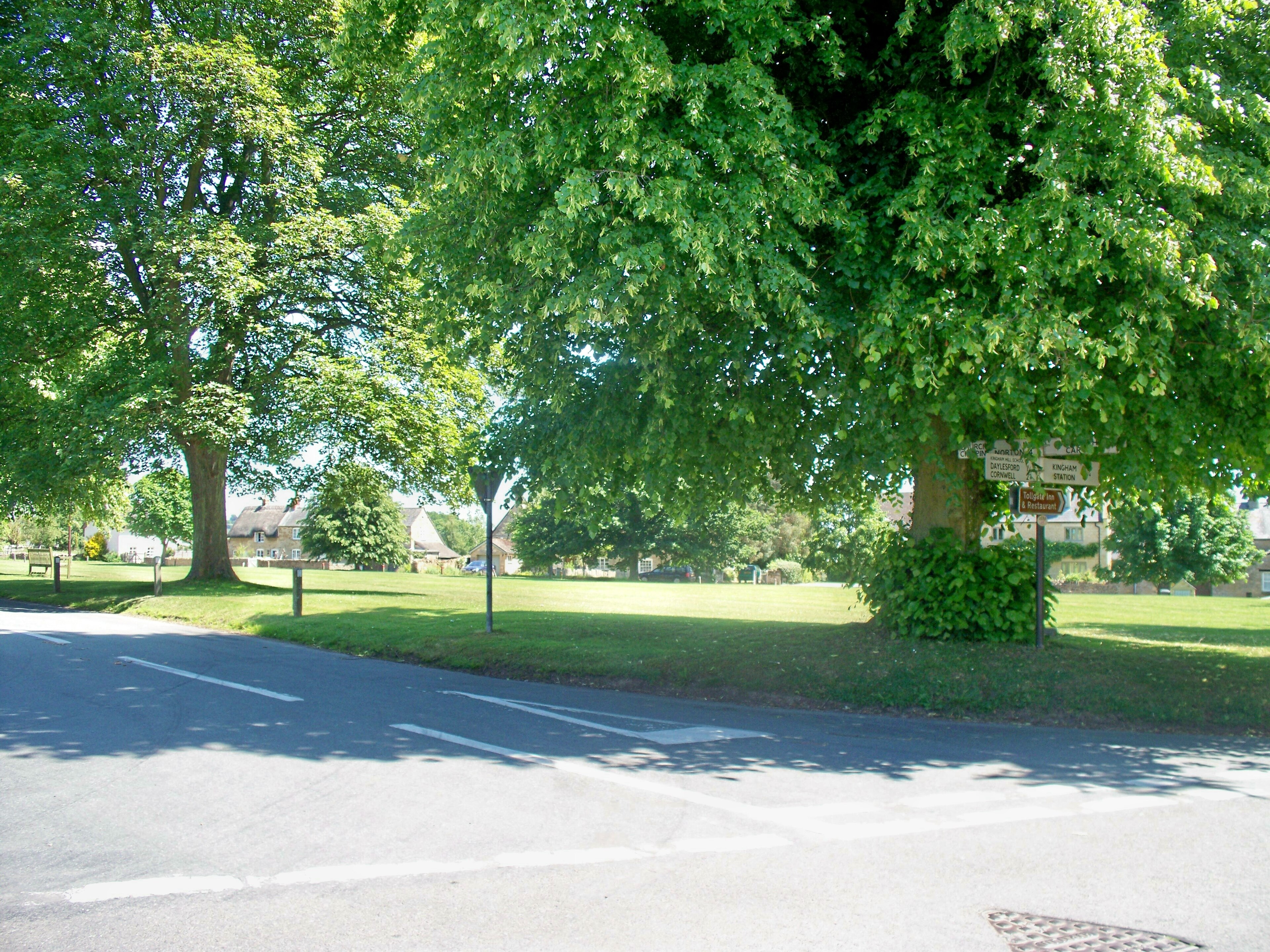
Life in Kingham, Oxfordshire: the green, the school, and the Paddington line
The best places to buy a house in the Cotswolds
Life in Burford, Oxfordshire: the hill, the Windrush, and the gateway town